Reimagining how we communicate in education
MICROSOFT X ACS TEAM • SHIPPED 2025
ROLE
Product Design Lead
TIMELINE
Jan - Jun 2025
TEAM
3 Designers
2 Researchers
SKILLS
Product Design
Product Strategy
Problem
Students and educators communicate across fragmented platforms and lack immediate support.
Overview
Partnering with Microsoft’s ACS team, I led product and research for Lumo, an AI assistant offering 24/7 educational support. As lead designer, I owned the timeline, scope, and deliverables, and led research that revealed interconnected pain points beyond the original problem statement.
Tools
PROBLEM
Communication is scattered, stressful, and repetitive.
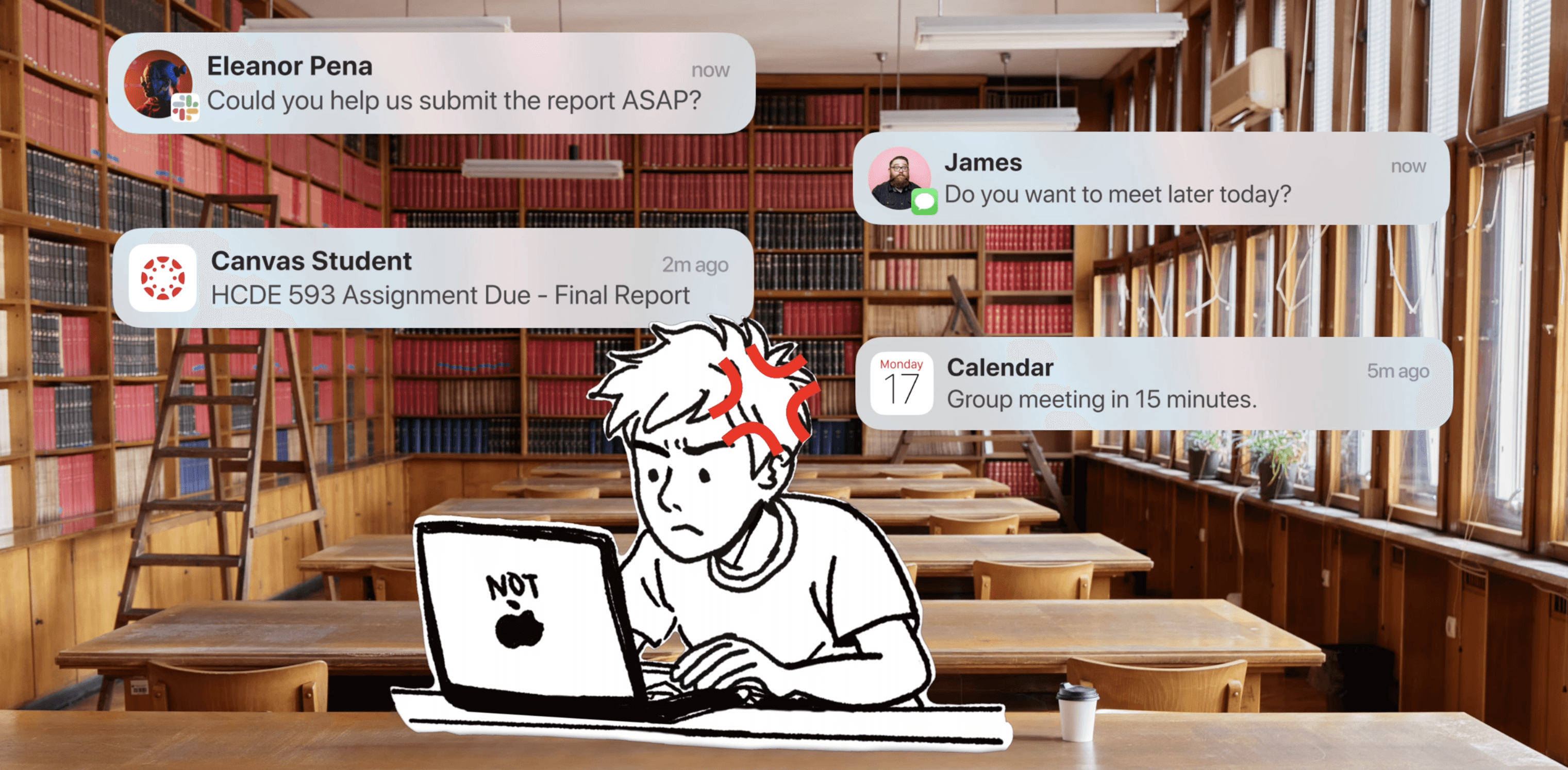
The spread of educational communication across Canvas, email, Slack, Zoom, and in-person conversations leads to notification overload, missed messages, and students unable to receive help when educators are unavailable.

SOLUTION
Minimize platform switching to simplify communication.
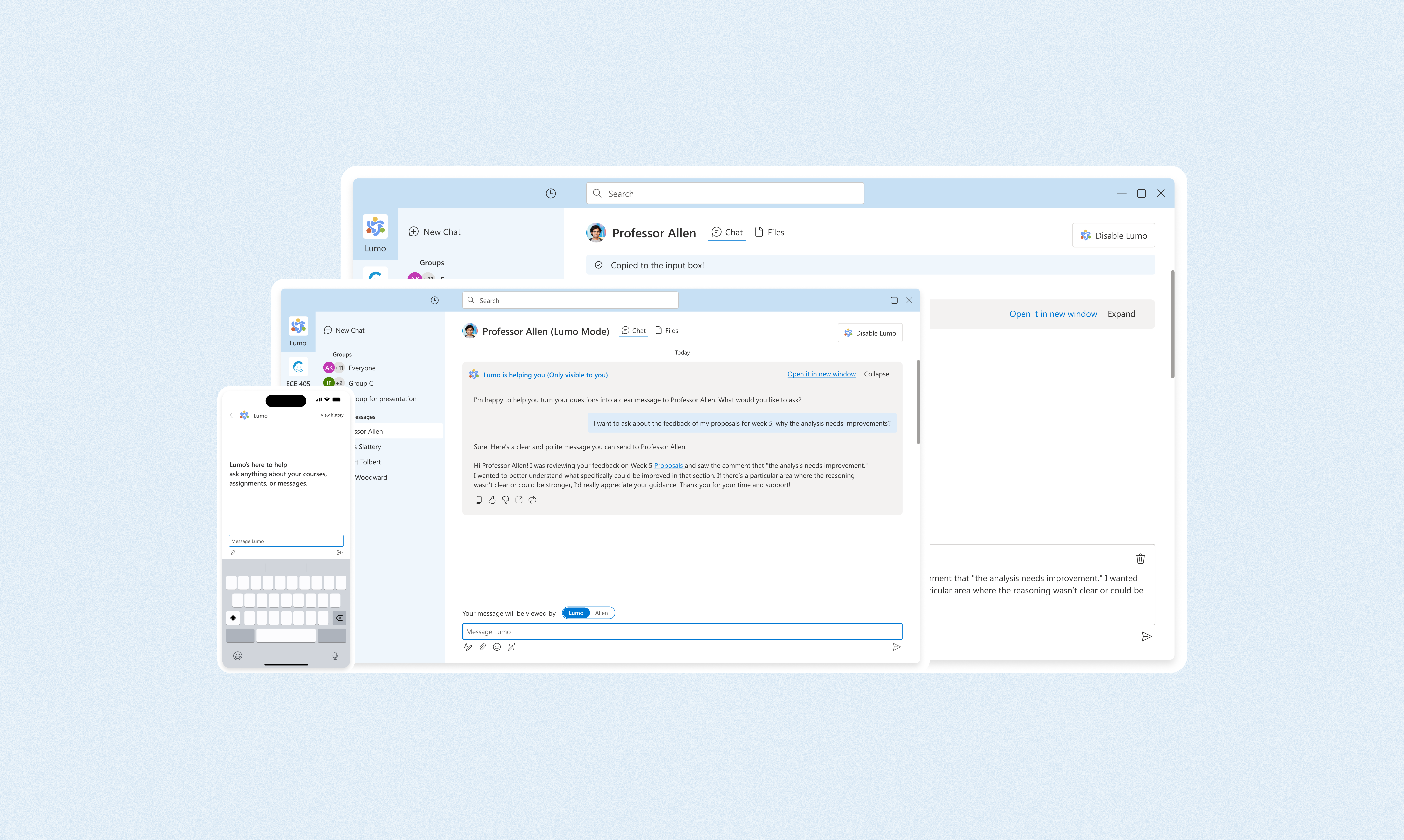
We designed an AI assistant integrated learning management system(LMS) using ACS components to streamline communication.
24/7 Immediate Support
Lumo provide 24/7 support when educators are offline, writing support, and smart question routing.
Stop Jugging Platforms
All-in-one communication hub featuring smart message organization, search, and office hours scheduling.
Automate the Busywork
Pattern recognition and automated FAQ response (your control) + smart reminders.
RESEARCH
Exploring product direction and scope.
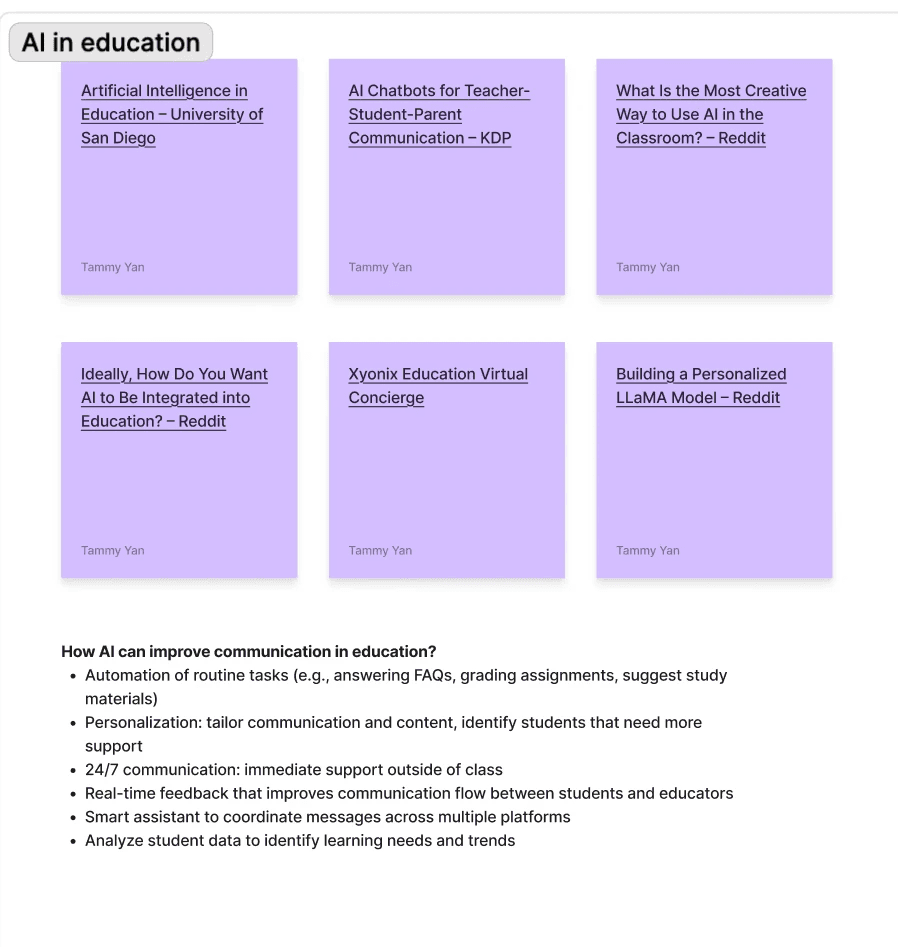
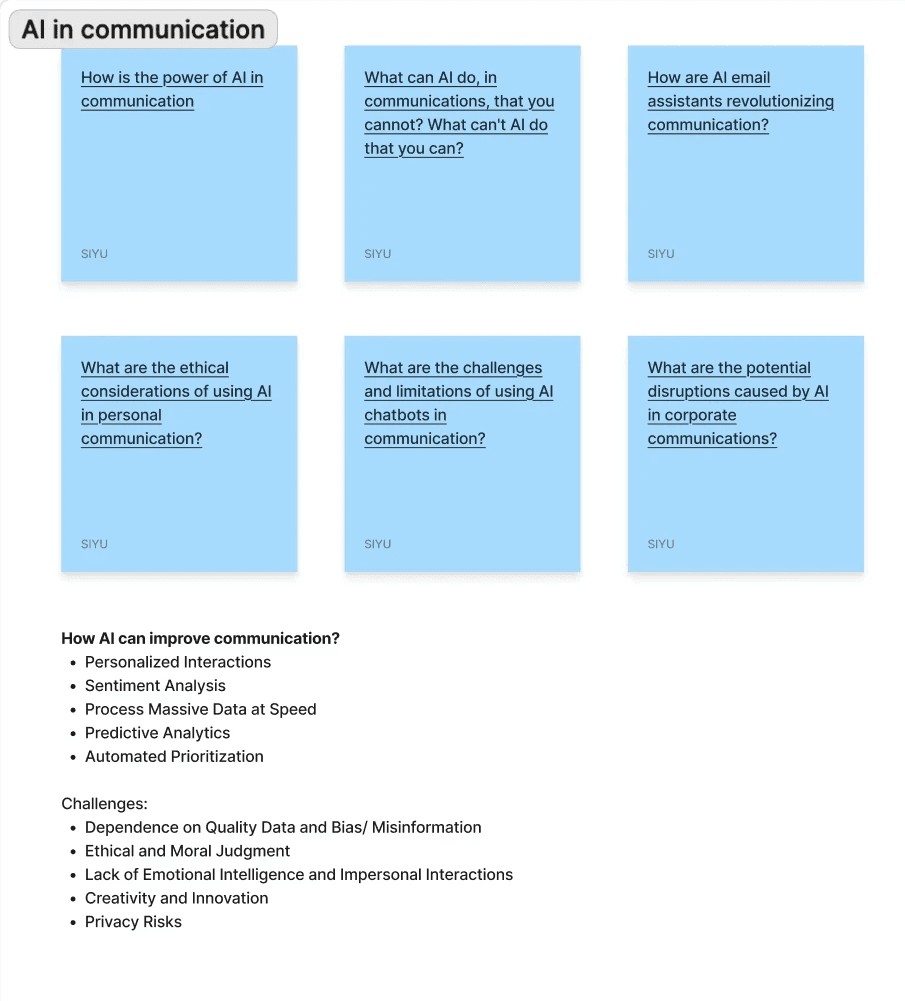
Over three months, we used multiple research methods to understand higher education communication, identify pain points, and find opportunities for AI.
00 Literature Review
01 Interviews
02 Participatory Design
Purpose
Establish baseline understanding and avoid reinventing the wheel
Academic papers: Education technology adoption, asynchronous communication patterns
Industry reports: EdTech market trends, communication tool usage in education
Existing solutions: What's been tried? Why did some fail?
CHALLENGE
How do I identify and leverage the factors that matter most?
The good thing is I found more insights than I expected. But the hard part was accepting that I can't solve every pain point within our constraints, so I had to let go of “perfect” and focus on creating real impact.
🤝
Two users, One solution
Q: Students want speed. Instructors want control.
A: AI uses course materials. No answer? Routes to instructor.
🤖
Technical constraint
Q: Microsoft ACS can't integrate Slack or Gmail.
A: Centralize all communication within the LMS.
FEATURE REQUEST
Translating needs into features.
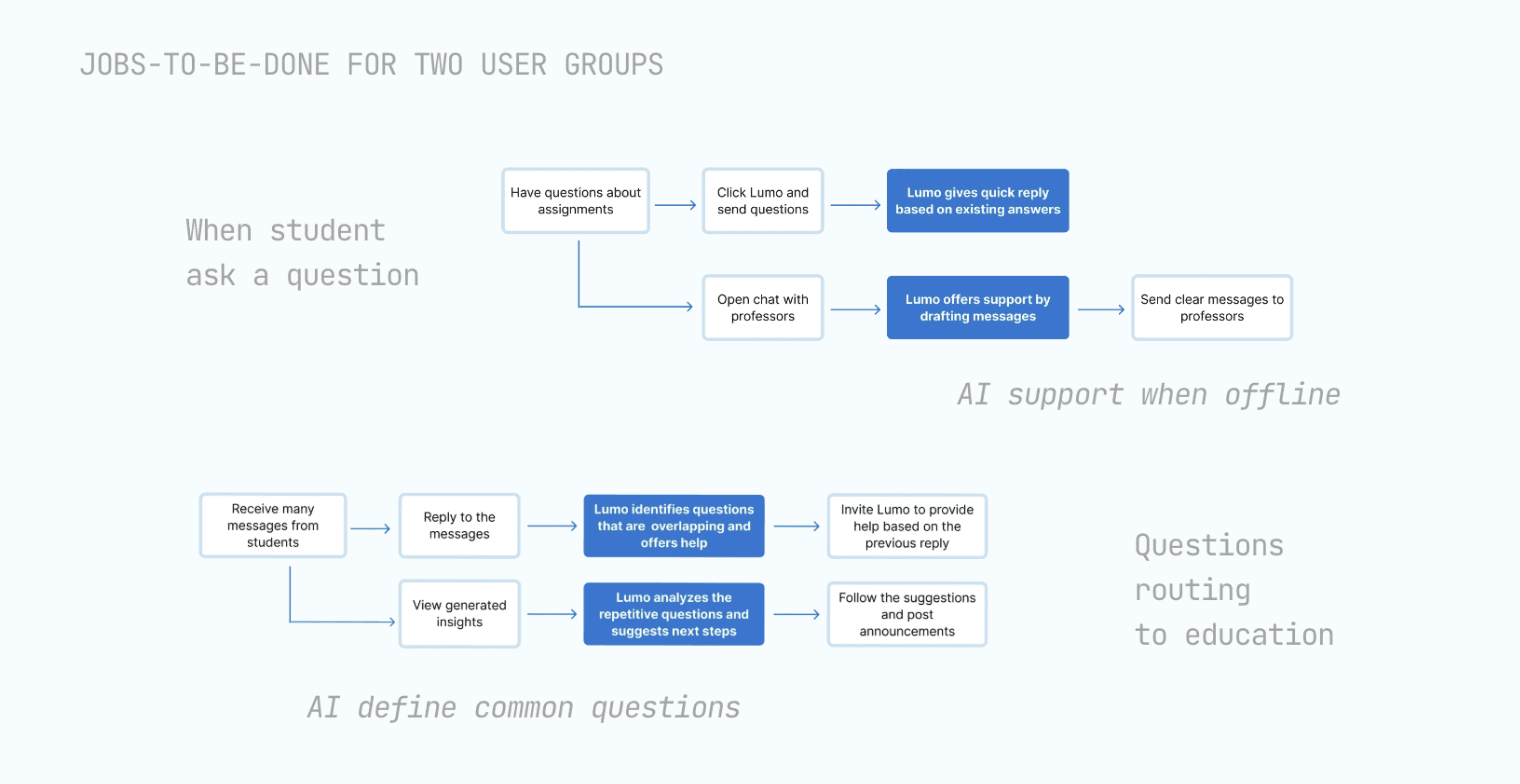
Despite numerous feature requests, I identified distinct needs between our two user groups. I created jobs-to-be-done maps for each group to visualize their workflows and organized requests into three guiding principles.
Personalized Dashboard
Centralized view, smart reminders, and AI powered suggestions.
Flexible Communication
One stop for direct message, group chat, and huddle.
Contextual AI Support
24/7 AI support, writing support, and automated tasks.
PUSHBACK
Iterate to improve transparency and AI integration.
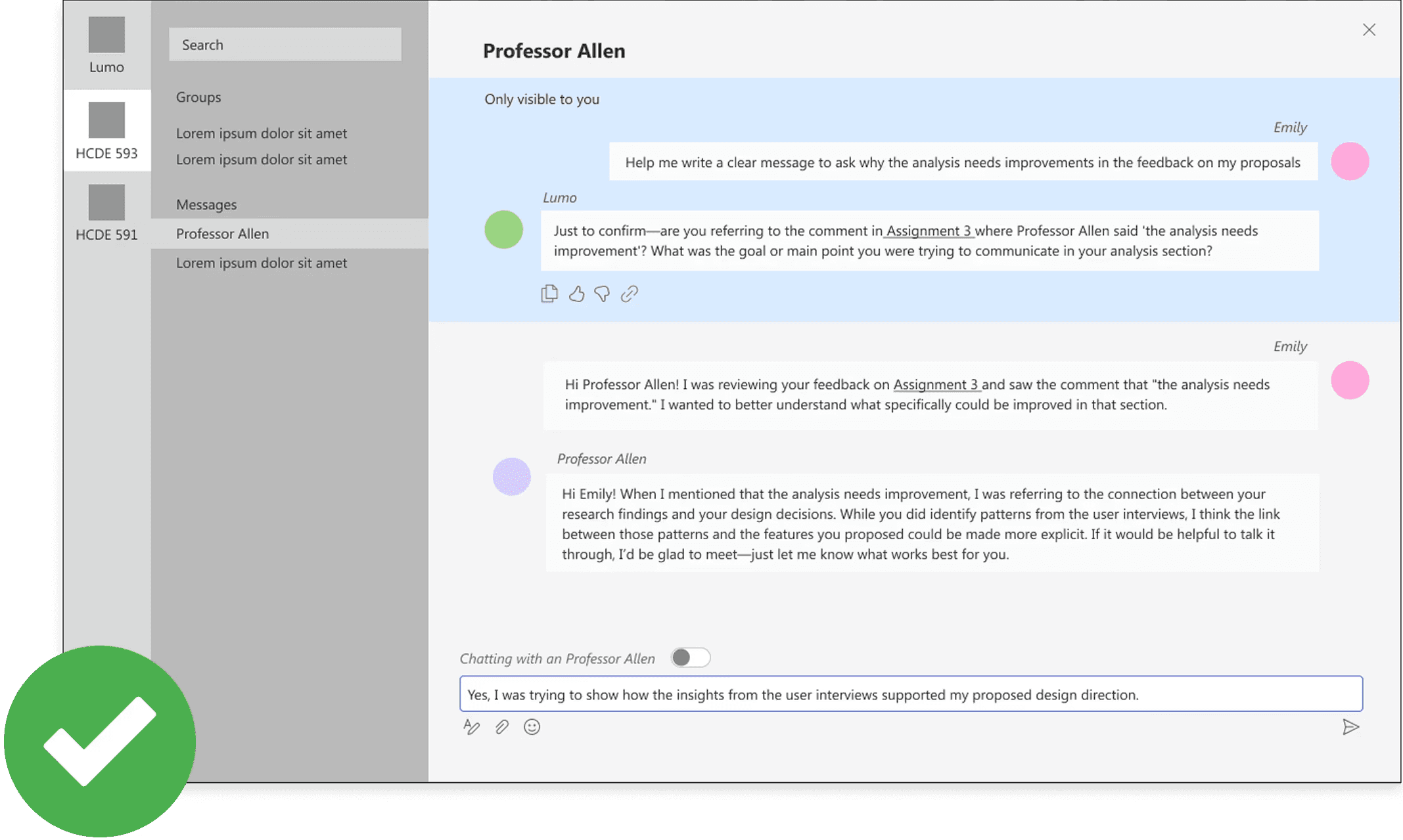
I conducted design critiques with 2 Microsoft designers, presenting prototypes at each stage for iteration. These sessions focused on addressing AI transparency and integration concerns.
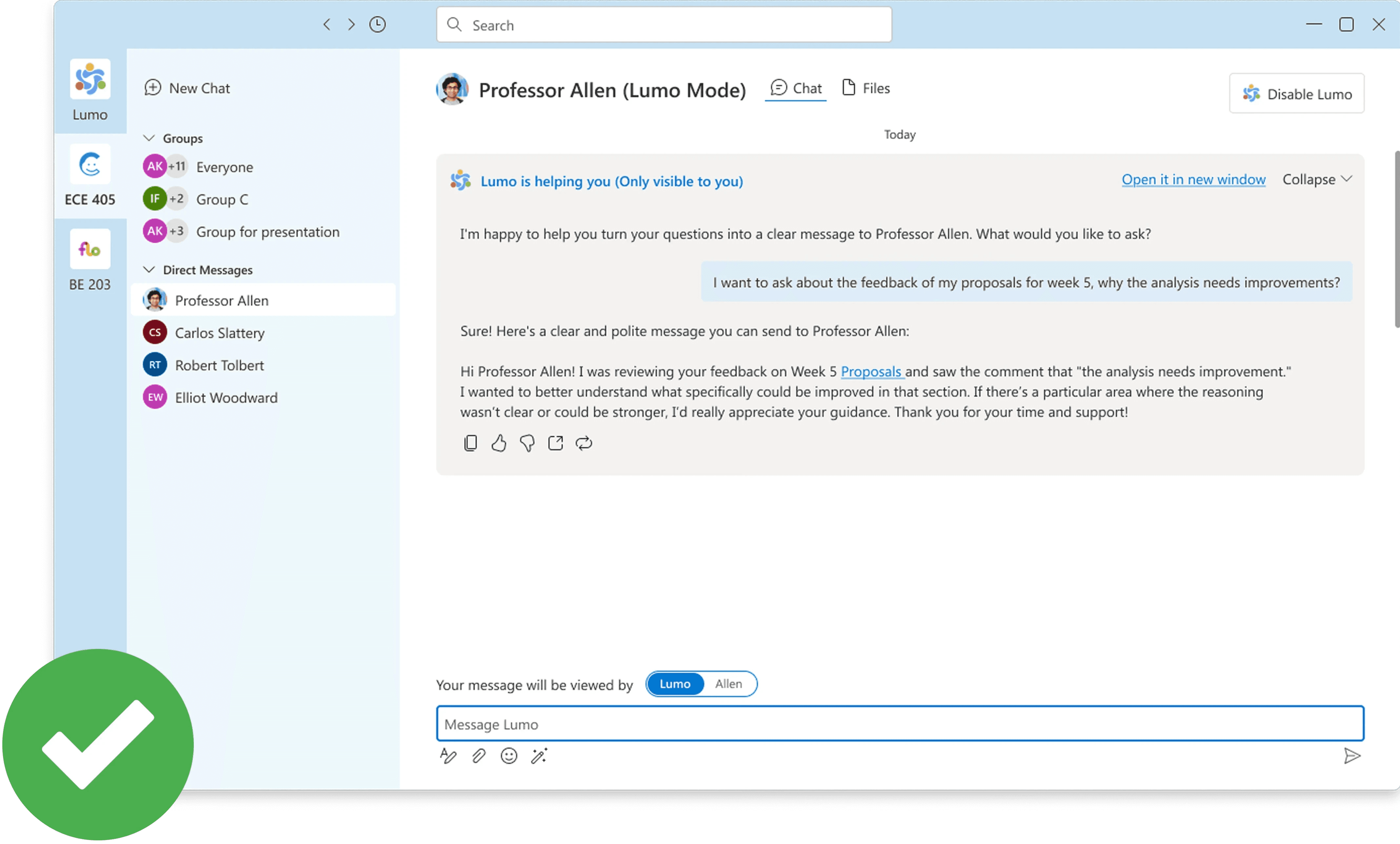
Clear human vs. AI distinction
More visual cues (toggle, colors, icons)
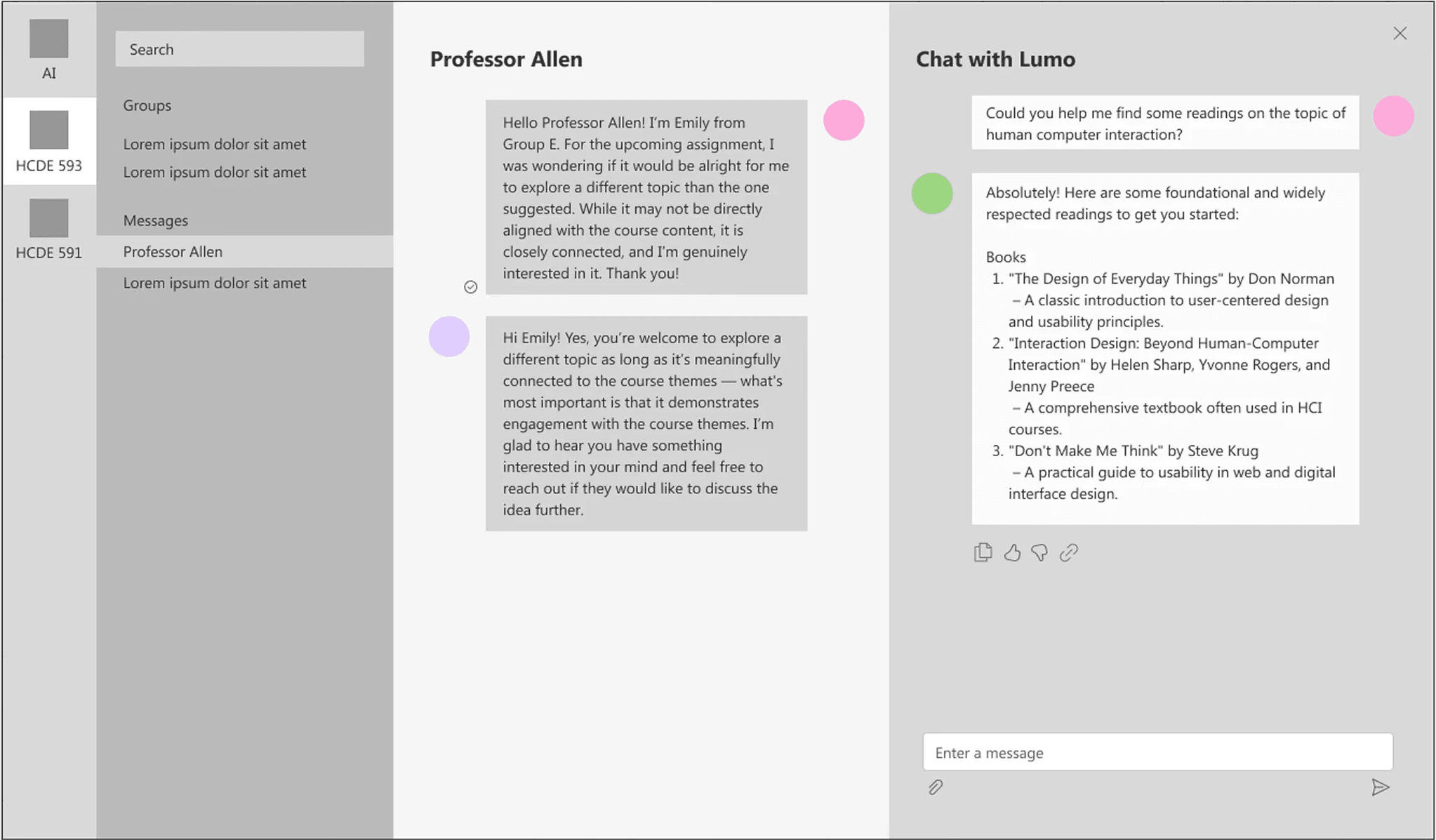
Risk of losing context and fragmentation.
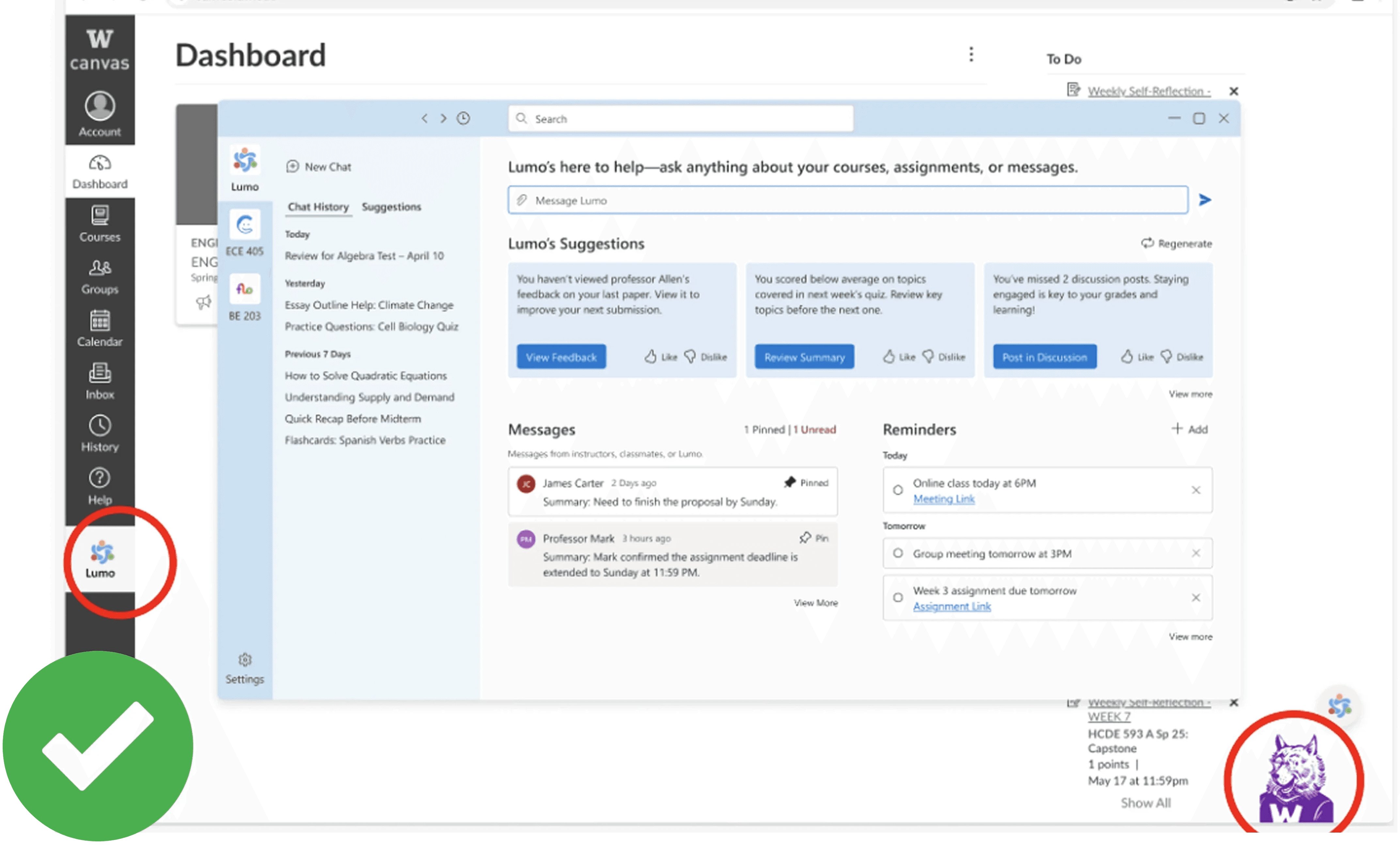
One-stop entry point
Sidebar remains primary
Icon -> floating shortcut
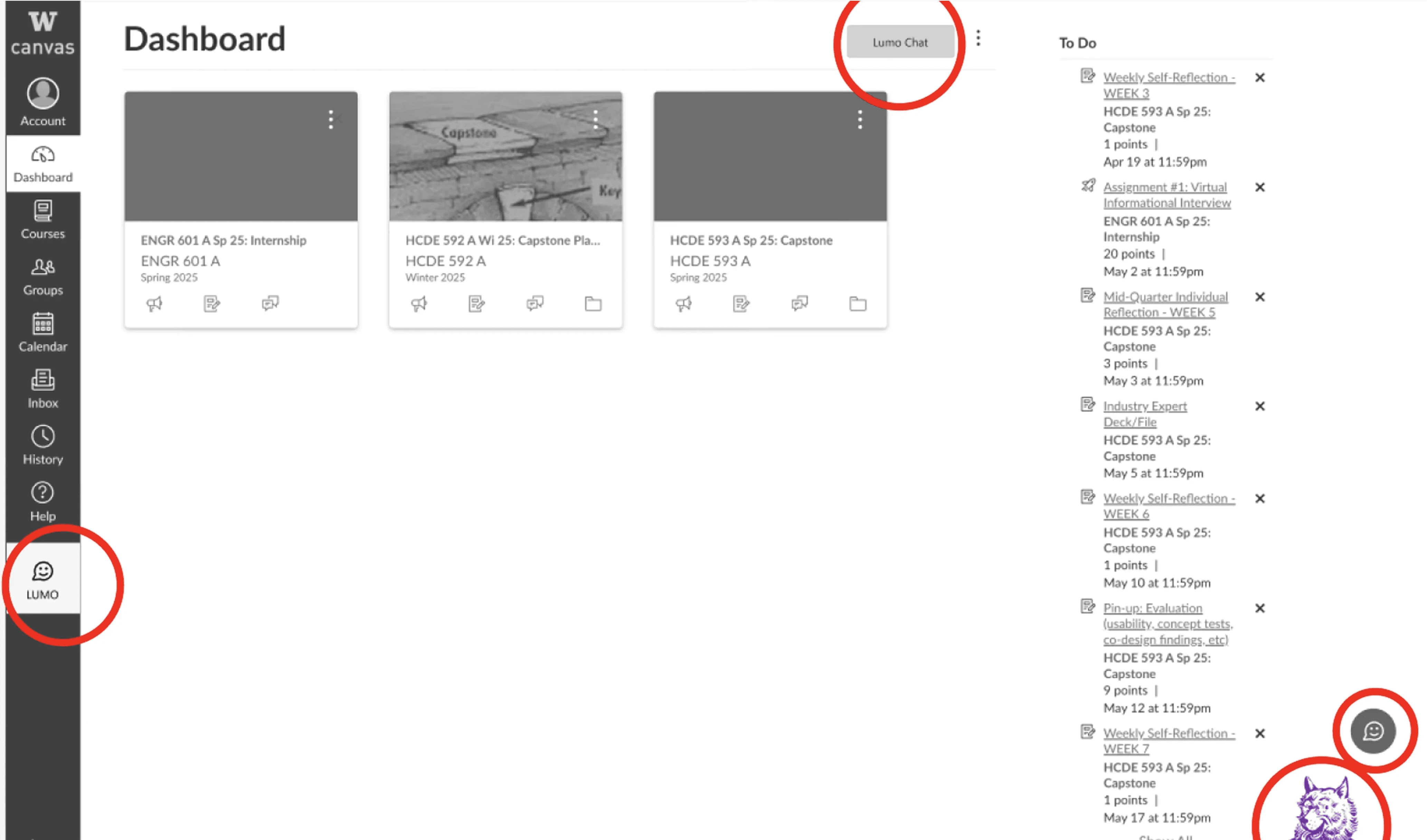
Entry point: sidebar clear, other icons missed.
Chat with both
Redesigned message interface
Added buttons and color cues,
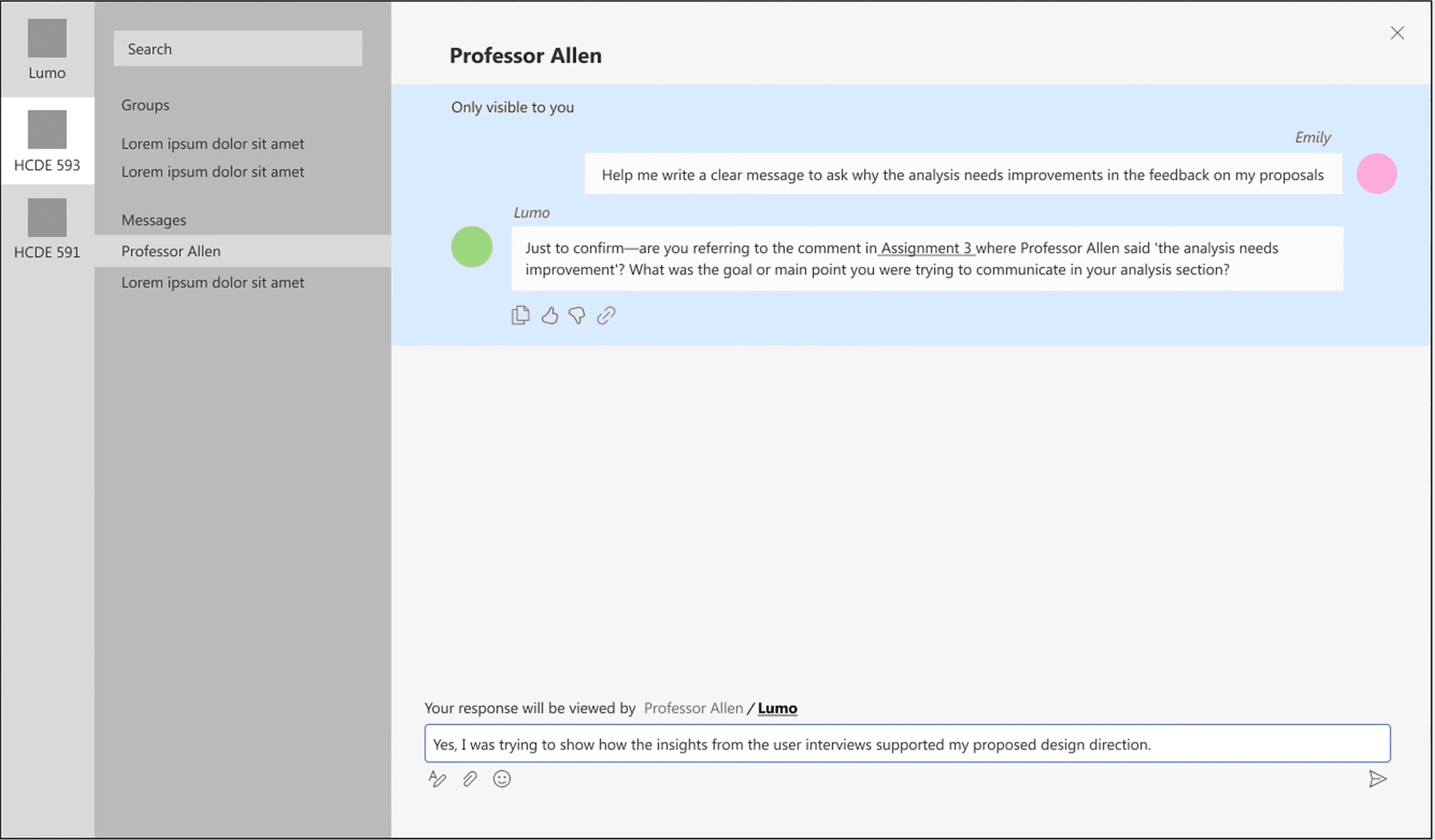
Unclear how to enable Lumo vs. Instructor.
DESIGN SYSTEM
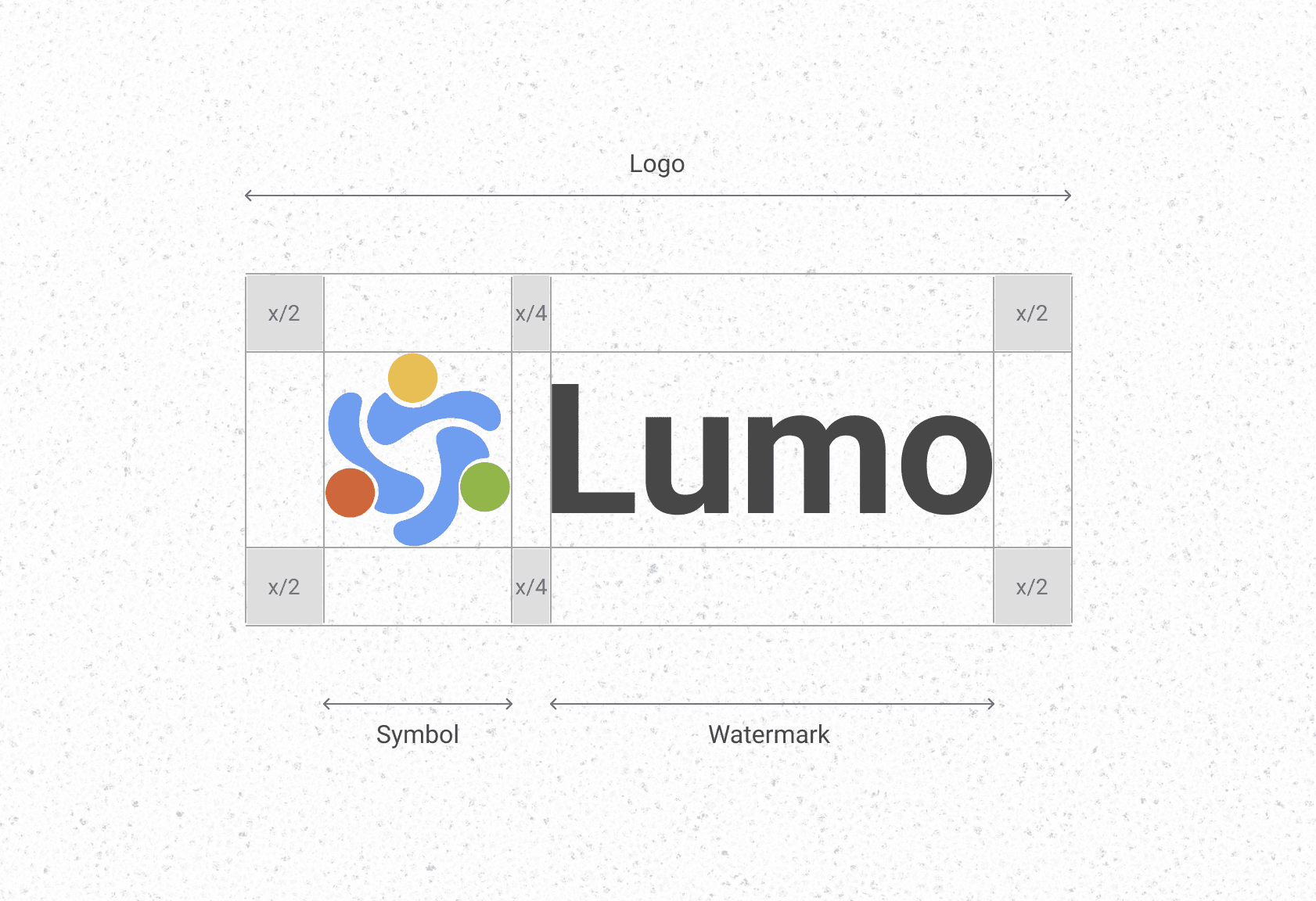
We named it "Lumo".
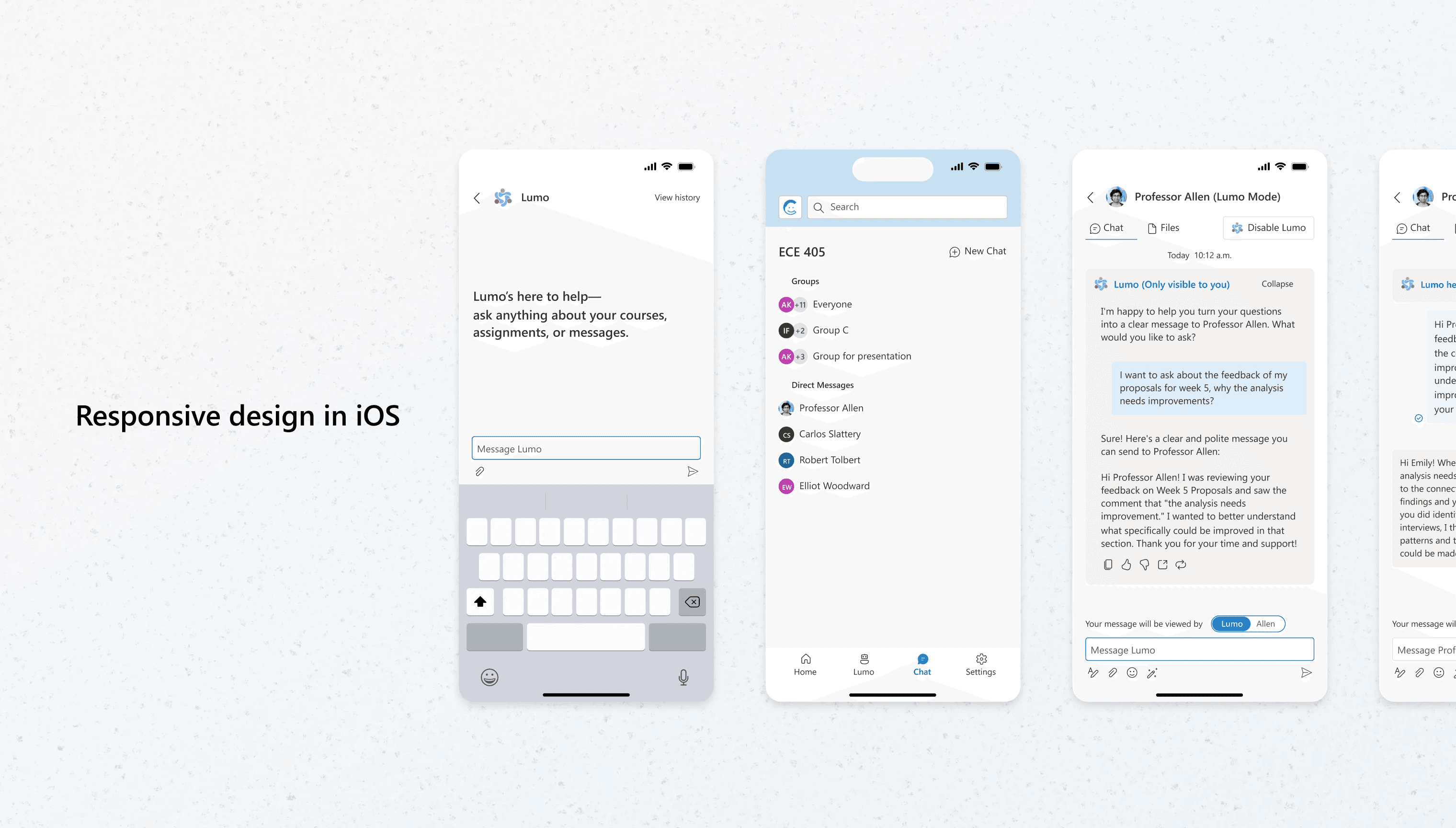
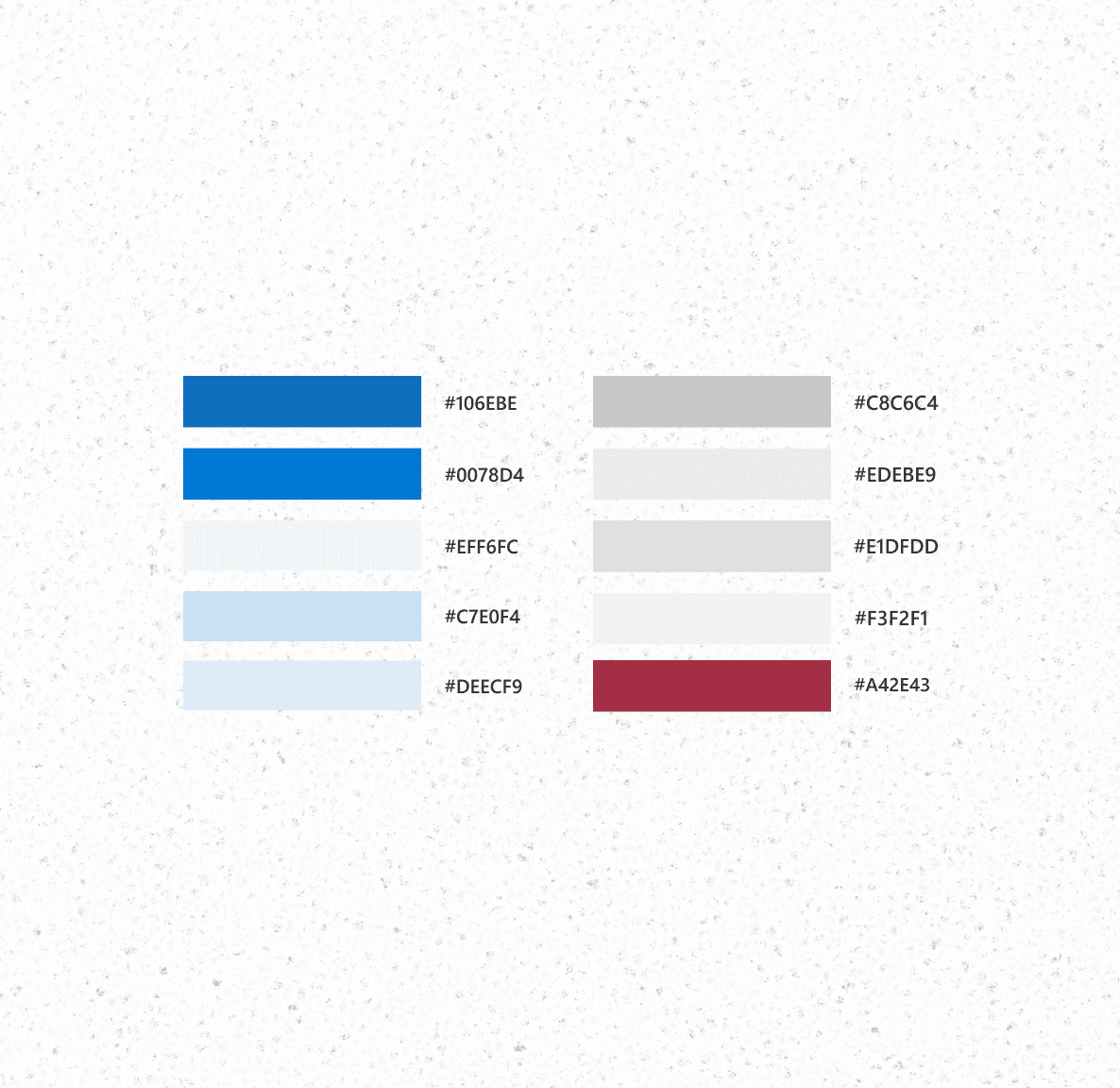
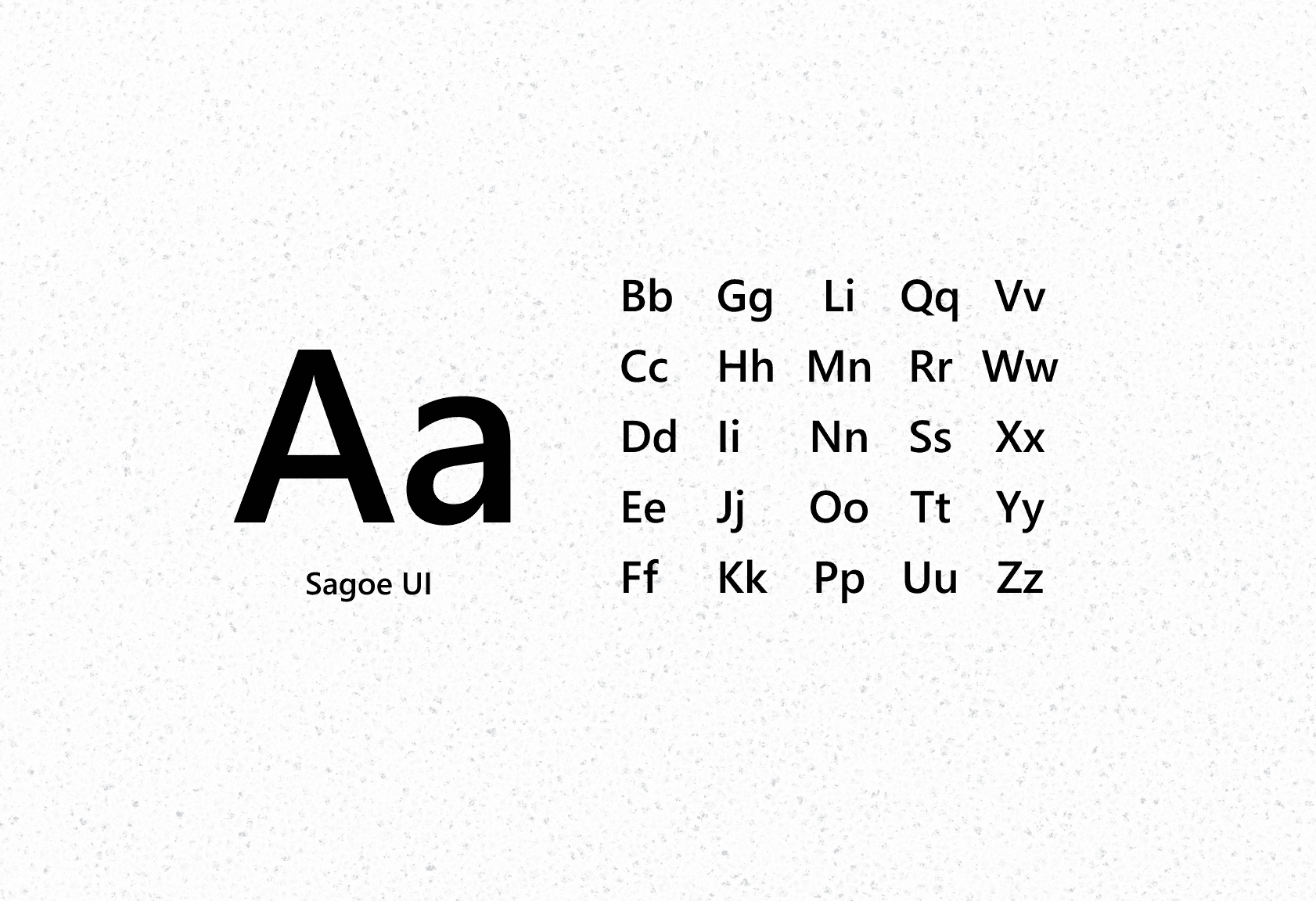
Built with Microsoft's design system for consistency. The logo shows students and educators in a circle of connection. (Mobile-responsive throughout.)
IMPACT
Lumo saves 4+ hours weekly.
I asked users to complete the same tasks using both the old workflow and Lumo. The results showed users saved 4+ hours weekly and no longer needed to juggle multiple platforms.
"This is what Canvas should have been from the start."
"It's like having a TA who's always awake and actually helpful."
LOOKBACK
"If you want to go fast, go alone. If you want to go far, go together"
Challenging? Absolutely. AI limits, competing users, unfamiliar space. But meaningful work. Education isn't afraid of AI, just bad AI. This project brought so many firsts and plenty I wish we'd finished, but messy and challenging is how you grow. And I'm lucky to have had this team through it all.